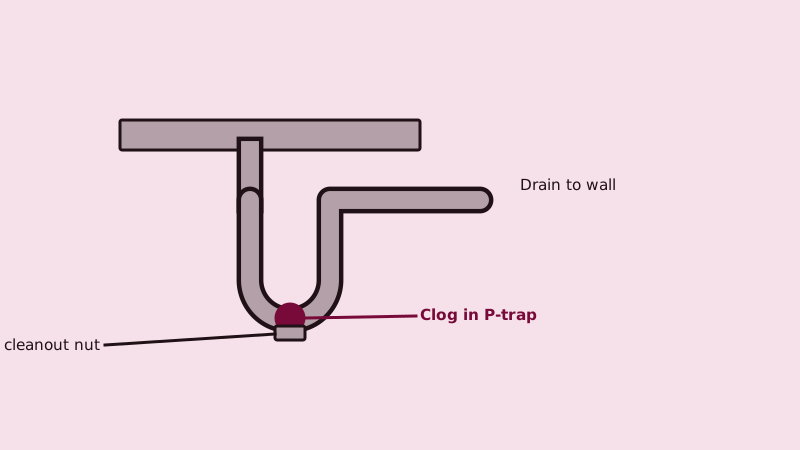
Run the fixes from cheapest to costliest: hot water, a cup plunger, the bend beneath the sink, then a hand auger. Most blocked kitchen sinks come from fat, coffee grounds and scraps lodged in the opening stretch of drain. When all four fail, a plumber takes over. Bathroom clogs get the same attention from the clogged toilet plumber.
Where should you begin?
With a kettle. Pour very hot water down the drain in two or three slow stages, pausing between each. Heat melts fresh grease and can shift a soft clog. A solid blockage won't budge, and a rolling boil is a poor idea where there is plastic pipe or a porcelain basin.
If the sink drains and then slows again within a day, the clog is partly gone and grease is still coating the pipe. Run the hot tap for sixty seconds with a drop of dish soap in the basin. If nothing moves, go to the plunger.
Set out a bucket and old towels. Kitchen drains can spit when the blockage breaks.
Plunger, trap or auger: which goes first?
Plunger, then trap, then auger. The plunger works the first foot or two. The trap holds the most common blockage. The auger reaches past the trap into the pipe inside the wall. Each tool goes a little deeper than the last.
| Tool | What it clears | Time | Mess |
|---|---|---|---|
| Cup plunger | Soft clogs near the drain | 5 minutes | Low |
| Trap removal | Grease and food in the bend | 15 minutes | Medium, bucket needed |
| Hand auger (25-foot) | Clogs in the branch pipe | 20 minutes | Medium |
| Plumber's machine | Deeper clogs, roots, grease | Varies | Handled by the plumber |
How should you plunge a kitchen sink?
Fill the basin partway, push a wet cloth into the overflow slot, and if there are two bowls, stopper the second drain too. Center a flat-cup plunger on the opening and pump firmly for 20 to 30 seconds, then lift it and watch the water level.
A toilet plunger with a flange fits a flat drain poorly, so use the plain cup style. With a disposal, make sure its blades are not jammed first, with the power off. That topic has its own page: unclogging a garbage disposal drain.
Give it three tries at most. If the water barely moves, the stoppage is a solid plug or sits farther along.
How do you clean out the P-trap?
Slip a bucket under the curved section, unscrew both slip nuts, using pliers if they are tight, and let the trap drop into the bucket. Empty and wipe it, then shine a light up the wall pipe. Put it back together with the washers flat, run hot water, and inspect the joints for seepage.
Most kitchen clogs are caught right here, because the trap is a bend that holds water on purpose and food settles in it. A wad of grease should be scraped out and rinsed in a utility sink or outdoors, not sent back down a drain.
If the trap is spotless but water still lingers, the blockage sits in the branch behind it. That is for the auger.
When do you reach for a hand auger?
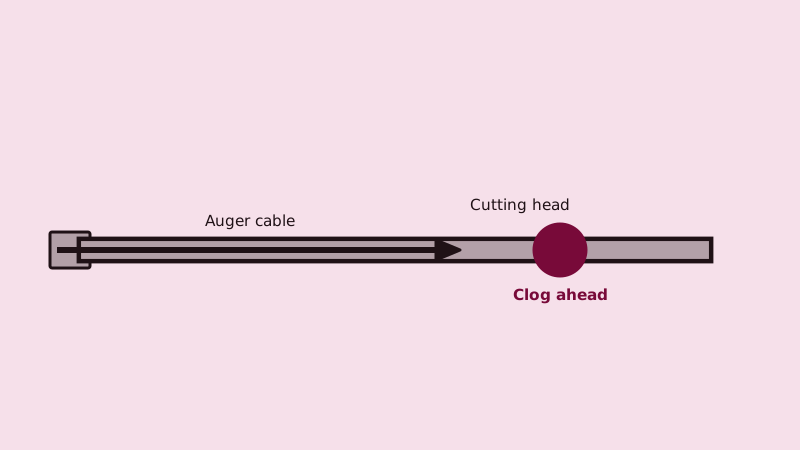
Once the trap is clear but the sink still drains slowly. Feed the cable in until it meets resistance, crank to break or hook the blockage, then draw it back out. If the cable travels several feet and water still stands, or the clog returns, the trouble is in the main drain.
A 2026 cost survey lists clearing a single drain at about $150 to $350 and camera inspection at $250 to $500. For other jobs, what plumbing costs gives the wider range.
Clues of a bigger drain problem: gurgling from other fixtures, water rising in a tub or laundry standpipe when the sink drains, or smells from a floor drain. Each means a shared line, and an auger at the sink will not reach it.
Why do kitchen sinks clog more in older houses?
Aging drains narrow. Many postwar tract homes in Whittier, Downey, Norwalk and Pico Rivera have cast iron or galvanized lines whose rough walls trap grease, and decades of scale and fat can shrink the opening. Cleaning the full run, not only the trap, breaks the cycle.
Census figures put the median Downey home at about 1959 and the median Norwalk home at about 1957, a vintage where original kitchen drains are still in service. A camera on a plumber's cable can show the real state of the pipe before you pay for anything.
Replacing a stretch of old drain can require a permit. California's contractor licensing begins once labor and materials total $1,000, and it also applies to permitted work. In Whittier, the Building & Safety Division issues the permits.
Do drain cleaners or baking soda help?
Baking soda, then vinegar, then hot water will refresh a drain and could loosen a skim of film. Chemical openers are a bad bet: they attack pipes, pool in the trap when they fail, and injure whoever opens it afterward. Tell the plumber about any you have used.
Safe home methods, and where they stop, are laid out in clogged sink home remedies. A drain that is slow but not yet blocked is covered by fixing a slow-draining kitchen sink.
If you want the line cleared with a machine, ask for a price. The cities served are listed on the Rio Hondo Plumbing main page.
Common questions
How do I get a sink to empty when water just sits there?
Seal the second bowl, position a plunger cup over the drain with water in the basin, and pump for 20 to 30 seconds. If the water holds, pull and clean the P-trap, then try an auger. If it still stands, a plumber can reach the main branch.
What can you pour down a clogged sink?
Hot water first, plus a little dish soap for grease. Baking soda then vinegar can help with a thin film, though it will not clear a solid blockage. Skip the chemical openers, which are harsh on pipes and hazardous for whoever opens the trap later.
Why does the kitchen sink keep stopping up?
Fat, grounds and scraps coat the pipe, and old rough drains snag more of it. Change the routine: scrape plates and pour fat into a can. A clog that comes back within weeks means the line needs cleaning past the trap, ideally with a camera inspection.
Is it cheaper to clear a sink yourself?
Doing it yourself costs a plunger, a bucket and your time. A plumber costs a call-out charge plus labor, about $150 to $350 for one drain in a 2026 survey. Hire one after the plunger and trap fail, or when several fixtures run slow.